How Smart “Laziness” Builds Better Systems: A Behind-the-Scenes Look at Sustainable Team Operations
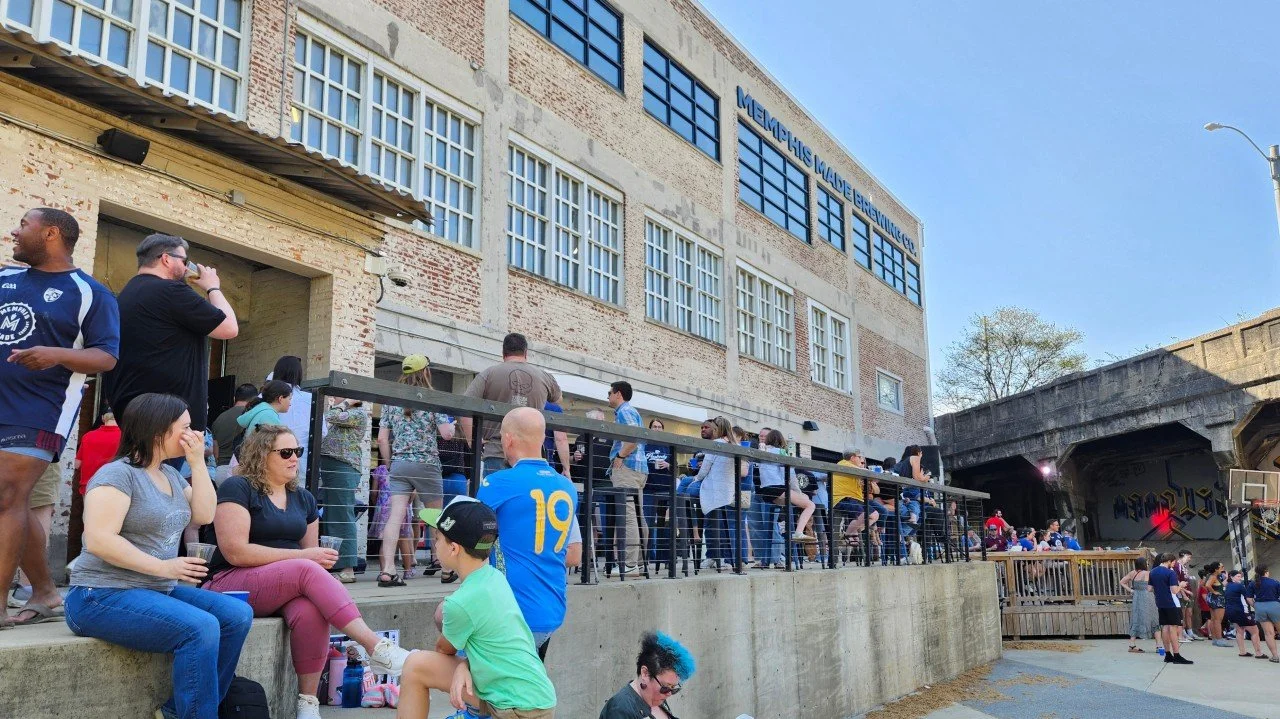
End of an era: Memphis Made's last day at the Ravine (Michelle Ye)
Most people think efficiency comes from working harder. In reality, it often starts with questioning what should not be done at all.
In a recent systems update, Michelle Ye shared a perspective that many high-performing business owners quietly relate to: what looks like “laziness” is often a low tolerance for inefficiency. That mindset, when applied correctly, becomes the foundation for stronger systems, better decision-making, and more sustainable team growth.
From my perspective as an Online Business Manager, this is exactly where meaningful operational change begins. Not with overhauls, but with awareness.
The Hidden Advantage of “Lazy” Thinking
Michelle describes how she used to see herself as lazy because she resisted tasks that felt pointless or repetitive. Over time, that resistance became a strength.
Instead of following inefficient processes, she built tools that made her work easier and more effective. This is a clear example of systems thinking in action. When something feels inefficient, the goal is not to push through it. The goal is to improve it, even slightly.
Why Team Systems Break Down Without Structure
As teams grow, inefficiencies stop being small annoyances and start becoming operational risks. Michelle highlights several common breakdowns that almost every team experiences such as unclear roles leading to dropped responsibilities, disorganized communication causing rework, and misaligned priorities to name a few.
These are not people problems. They are systems problems. This distinction matters because many business owners try to solve these issues through more oversight or more communication. In reality, the solution is better structure.
This is where my work with clients often begins. Not by adding complexity, but by identifying where the system is failing the team.
How to Know When Your Systems Need an Update
One of the most valuable parts of Michelle’s update is how she identifies when systems need attention. Not every issue requires a full overhaul. But patterns always signal something deeper. Key indicators include repeated issues showing up, tools or processes becoming too complex to follow without explanation, or team members defaulting to shortcuts instead of established standards for example.
These are the exact signals I look for when auditing a client’s operations. If something consistently slows the team down, it is not a one-off issue. It is a systems gap.
Evaluating Backend Operations
One example Michelle shared that stood out to me was their evaluation of their accounting, payroll, and timesheet system. Instead of rushing into a replacement, they are taking a thoughtful approach to timing, testing, and long-term operational impact. That kind of decision-making is what strong systems leadership looks like.
Too often, businesses wait until a process is completely broken before addressing it. But sustainable growth usually comes from paying attention earlier, while there is still room to improve intentionally instead of reactively.
Michelle also makes an important point throughout her update: systems are not owned by one person alone. Leadership sets the tone, but the strongest systems are the ones the entire team understands, contributes to, and improves over time.
And that is really the bigger takeaway.
The goal is not to build a “perfect” business. It is to build one that functions better today than it did yesterday. Most operational improvements do not start with giant overhauls. They start with awareness.
The businesses that scale well are rarely the ones with the fanciest tools. They are the ones willing to consistently evaluate what is working, what is not, and what needs to evolve as the business grows.
If this conversation around systems, team operations, and sustainable growth resonates with you, I highly recommend reading Michelle Ye’s full “Systems Update” LinkedIn newsletter and follow her. Her perspective on leadership, operational awareness, and intentional growth is one more business owners need to hear.
👉 Read Michelle’s full LinkedIn “Systems Update” here.
Ready to talk about which support is right for you?
Let’s connect on LinkedIn!